Exploring how viral content can have a meaningful impact for health advocacy
Exploring how viral content can have a meaningful impact for health advocacy

In the age of digital activism, few campaigns have sparked as much discussion and intrigue as the viral breast cancer awareness Facebook memes that swept across social media platforms. Cyber-activism uses socialization and communication techniques to manage, create, and share awareness of activism. “Here, individuals utilize the Internet to promote a particular cause or charity. Every person has a cause close to their heart, and we often feel these things speak closely to our life experience and identity” (Mahoney, 2016).
These campaigns, such as the “Bra Color Meme,” incited women to raise awareness for breast cancer and interact with their social media status. These memes quickly gained widespread attention and raised awareness of advocating for health concerns.
The Viral Phenomenon
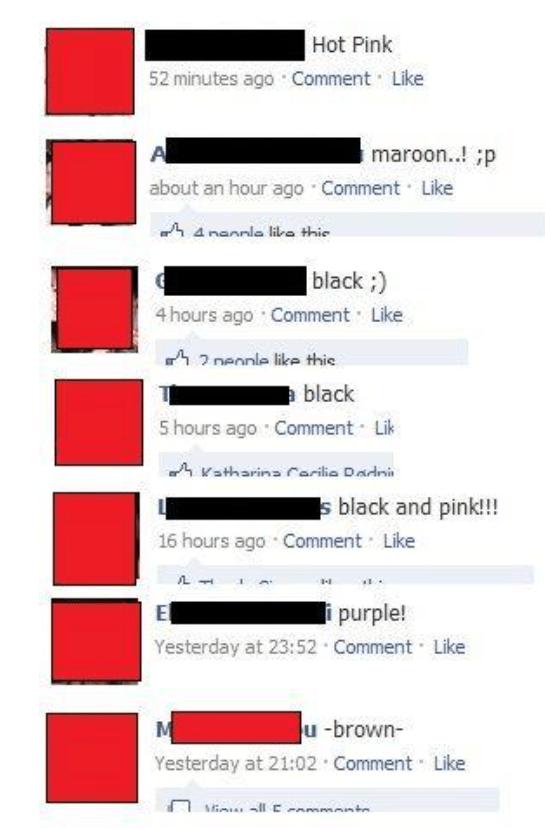
During Breast Cancer Awareness Month, Facebook posts featuring women changing their status updates to bring awareness to breast cancer. These memes relayed the cryptic and puzzling messages with an element of mystery, contributing to the meme’s popularity. The “Bra Color Meme” gained traction with such posts as “I like it on the floor” and “I like it behind the couch” (Mahoney, 2016). This element of mystery and curiosity contributed to the meme’s rise in popularity, as it prompted awareness of personal status and conversations about breast cancer awareness.
The Power of Personalization and Emotional Appeal
Personalization was a key factor that contributed to the meme’s success. Encouraging users to share personal information, such as where they put their purses and the color of their bars, made the campaign relatable and more personable. People are more likely to participate and share about something close to their hearts or relatable.
The Role of Social Media in Health Advocacy
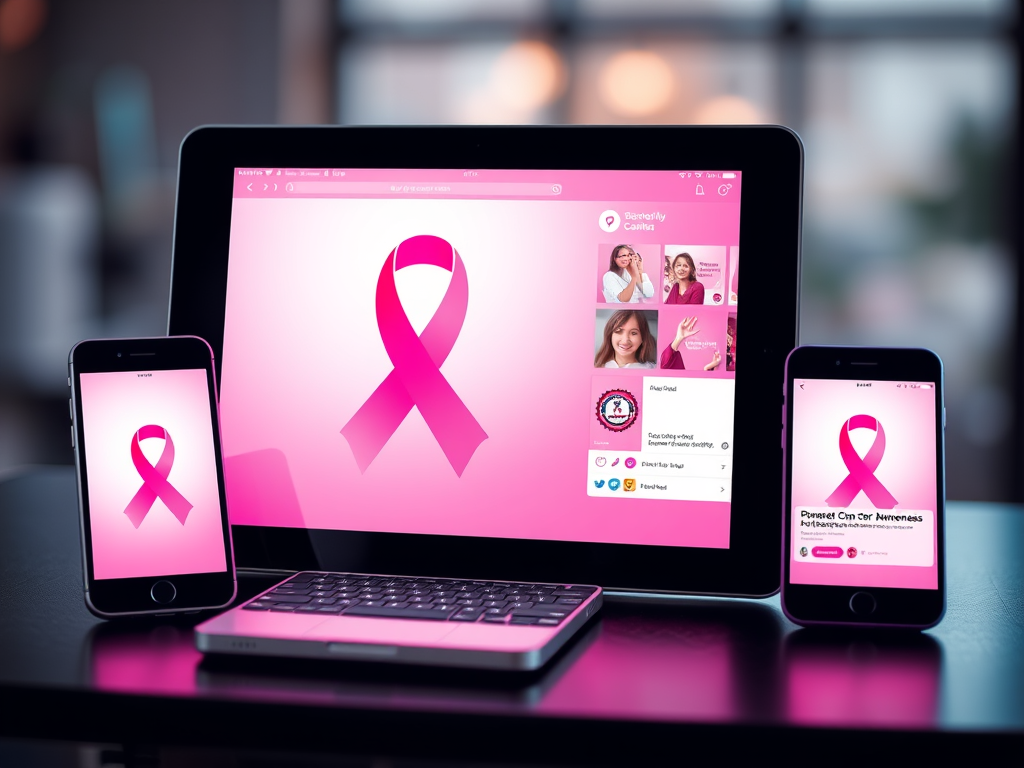
Social media platforms have become impactful tools for health advocacy, allowing organizations and individuals to connect with a global audience and spread messages of support and awareness. The Susan G. Komen Foundation reported “reported an increase in interest and contributions following the popular viral memes (Stein, 2010). Converting meaningful information leads to real-world action and draws attention, propelling this campaign to succeed.
The Need for Clear Messaging
The “Bra Color Meme” caught people’s attention, but it also faced some backlash for not having a clear message for breast cancer awareness. Many people were unaware of what the posts were about. The message must be clear and informative for campaigns to make a difference. It raises awareness and gives people valuable information on how to prevent breast cancer, spot it early, and find support.
Lessons Learned and Best Practices
The “Bra Color Meme” offers valuable lessons for future health advocacy campaigns:
- Engagement Strategies: Incorporate interactive elements that encourage participants to engage through meaningful actions.
- Clarity of Message: The campaign’s purpose and message are implied to all participants and observers.
- Inclusivity: The campaign is both accessible and inclusive to diverse audiences about culture, language, and accessibility needs
- Educational Content: Provide participants with informative content about the cause, including prevention tips, early detection methods, and support resources.
The Breast Cancer Meme case study is an exemplary example of viral content raising health advocacy. By learning from such initiatives and incorporating best practices, future campaigns can more effectively mobilize individuals and communities to take meaningful actions supporting health causes.
References Mahoney, L. M., & Tang, T. (2016). Strategic social media: From marketing to social change. Wiley-Blackwell.
 Site Title
Leave a comment